What we do

Our services

Central Road Services Pty Ltd provides reliable asphalt paving and road surfacing solutions for commercial, industrial, civil and residential projects across Sydney — from a single driveway to a full council road rebuild.

Our capabilities

We provide a variety of construction services

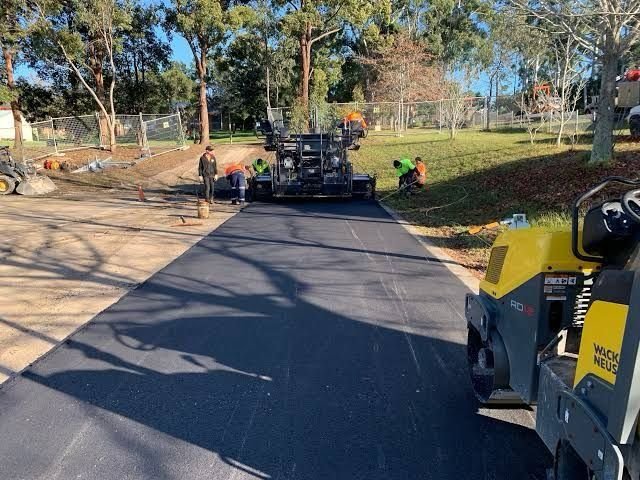
From commercial car parks to rail platforms and school grounds, Central Road Services provides tailored asphalt and surfacing solutions delivered with precision and care. Our highly skilled crews are experienced across all project types — from small-scale hand repairs to full resurfacing works using 2-metre profilers and pavers.

  • Specialist teams for every job
  • Fast, reliable quoting
  • End-to-end service, done right
Asphalt

Asphalt

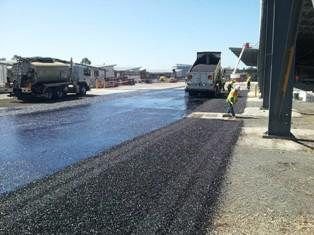
A versatile, cost-effective way to create smooth, durable roadways, driveways and parking lots. Hot asphalt mix is laid over a prepared base for a sleek, weather-resistant surface that handles heavy traffic.

Read more
Profiling solutions

Profiling solutions

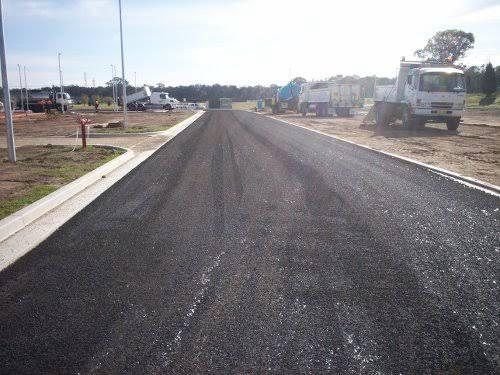
Precise surface preparation for asphalt, concrete and other hard surfaces. Advanced profiling equipment removes uneven layers accurately, creating the ideal foundation for resurfacing and repairs.

Read more
Hot spray & seal bitumen

Hot spray & seal bitumen

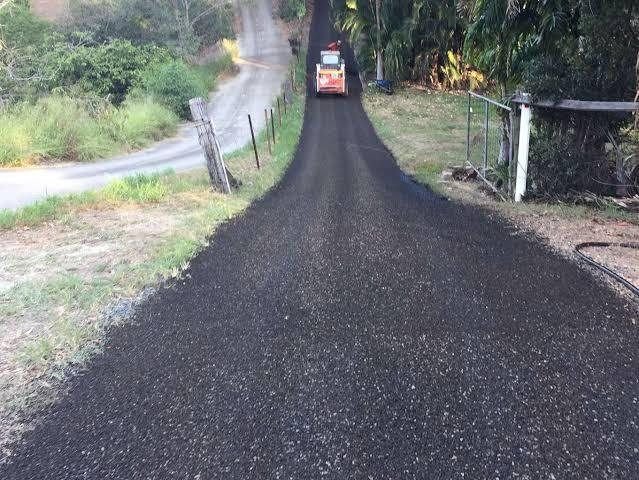
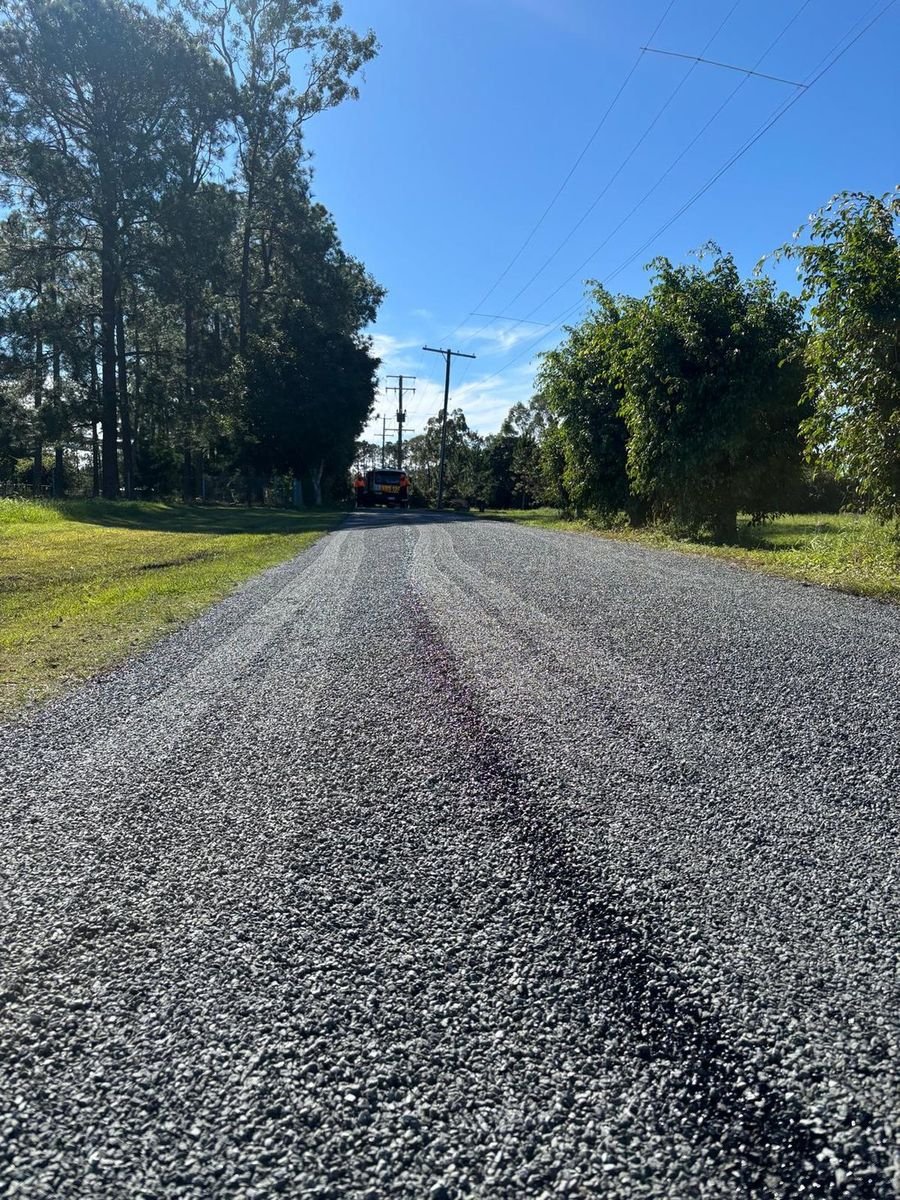
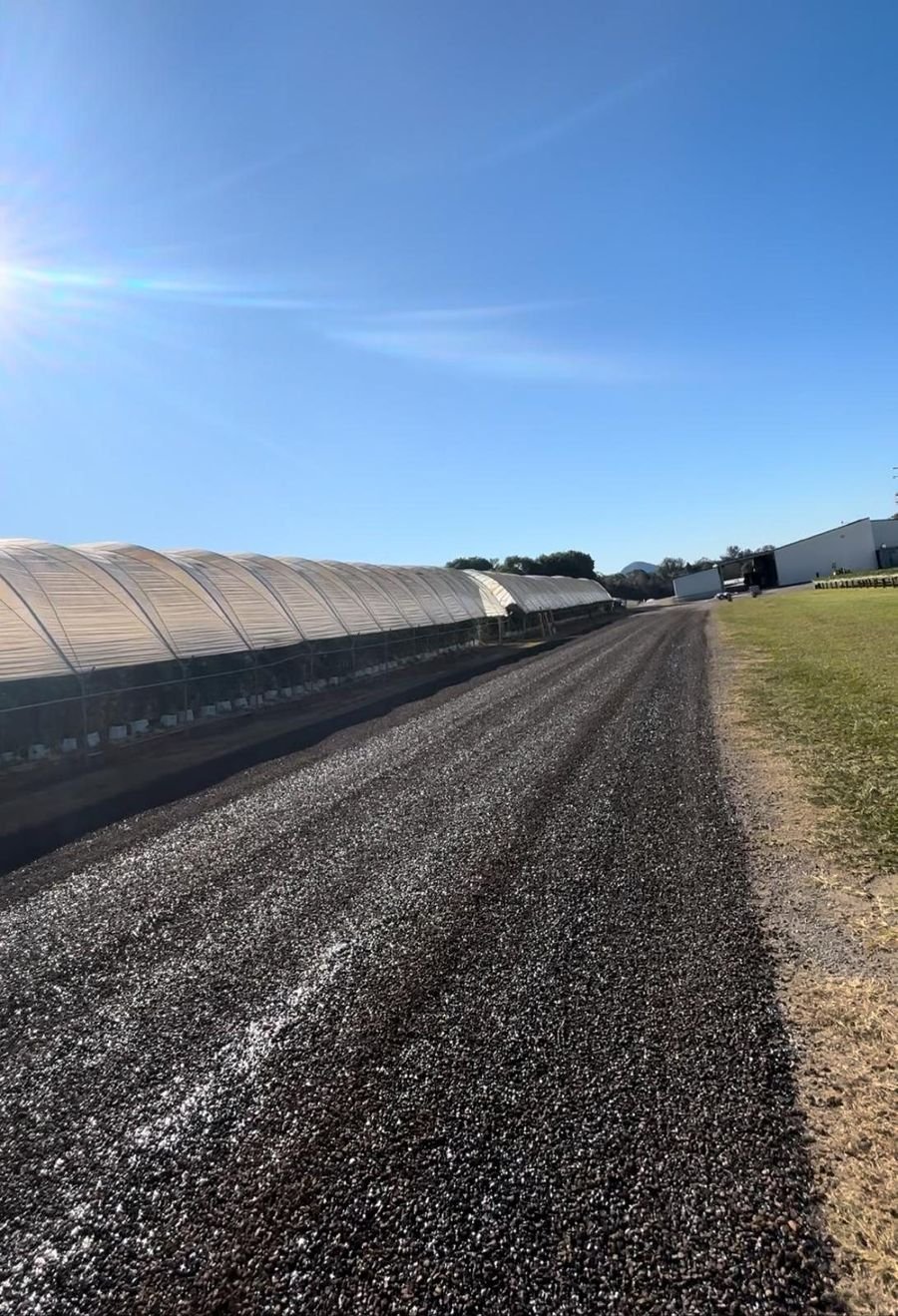
Professional spray and seal for roads, driveways, car parks and rural access tracks across Sydney. Premium bitumen and quality aggregate give a skid-resistant surface that extends pavement life.

Read more
Pothole & grading

Pothole & grading

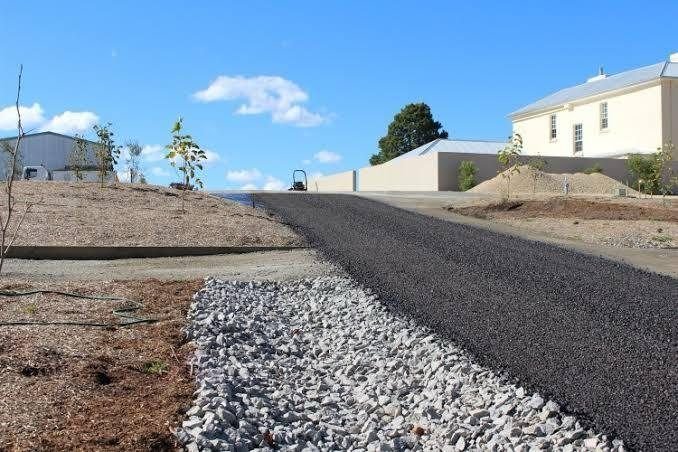
We repair damaged pavement, eliminate hazards and accurately grade roads and driveways to improve drainage, stability and long-term performance across residential, rural and civil projects.

Read more
Driveways

Driveways

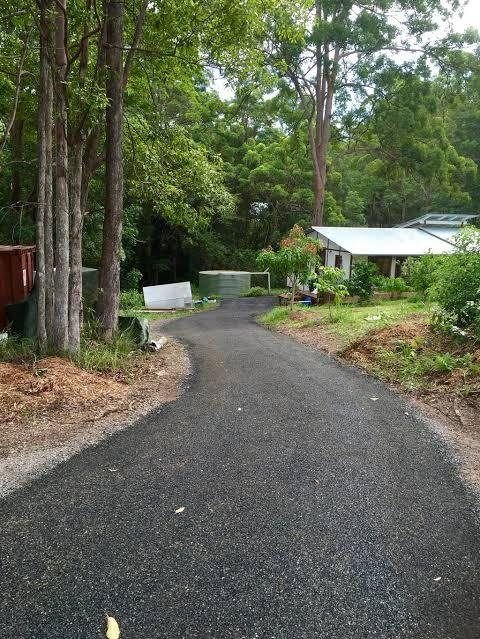
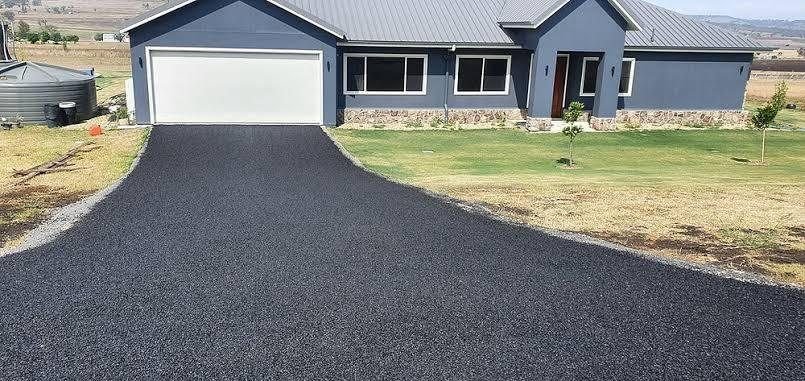
Durable asphalt and bitumen driveways built to last. Expertly installed for a smooth finish, excellent weather resistance, low maintenance and long-term value on residential and rural properties.

Read more
Road construction

Road construction

From site preparation and earthworks to asphalt paving and final surfacing, our experienced team builds durable, safe roads designed to handle everyday traffic and harsh conditions.

Read more
Hardstands

Hardstands

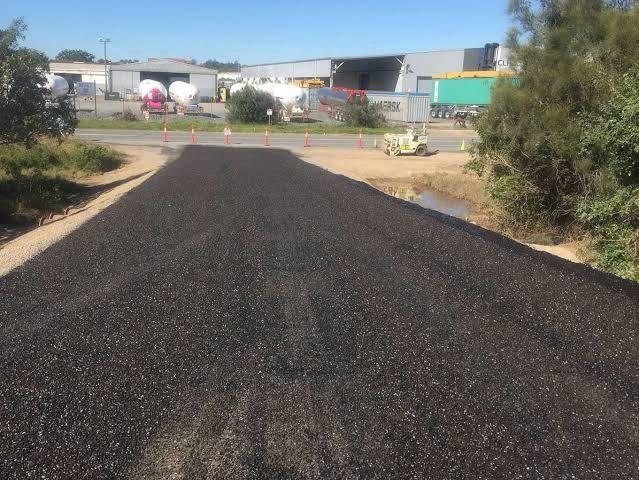
Hardstands for commercial, industrial and rural properties. Designed to take heavy vehicles and equipment, with excellent load-bearing capacity and reliable all-weather access.

Read more
Asphalt & surfacing

Asphalt & surfacing

Durable, high-quality surfacing for local councils, commercial developments and civil infrastructure — safe, reliable and long-lasting roads built to the highest standards.

Read more
Surfaces & specifications

What we lay, and where it belongs

Every job gets the mix and depth the traffic actually calls for — there is no point paying for a 40 mm industrial pavement on a suburban driveway, and no sense laying 25 mm where trucks turn. Here is what we use most often across Sydney.

Surface Best suited to Typical layer
AC7 dense graded asphalt Footpaths, thin overlays and tight residential areas 21–35 mm
AC10 dense graded asphalt Residential driveways, car parks and local streets 30–50 mm
AC14 dense graded asphalt Local roads, commercial car parks and busy access ways 42–70 mm
AC20 dense graded asphalt Industrial pavements, freight yards and asphalt base course 60–100 mm
Stone mastic asphalt (SMA10/14) Intersections, bus routes and other high-stress surfaces 30–50 mm
Two-coat (double/double) spray seal Rural roads, farm access tracks and long driveways 14 mm then 7 mm
Single-coat reseal Sound pavement needing waterproofing and fresh texture 7, 10 or 14 mm
Primerseal New granular pavement, carrying traffic before the final seal Final seal 12 months–3 years later
DGB20 crushed rock base Base and subbase under any sealed pavement 100–150 mm compacted
Cold mix patching Potholes, trench reinstatement and make-safe repairs As required
Layer thicknesses follow the allowable ranges Transport for NSW publishes for dense graded asphalt. The final specification depends on subgrade condition, traffic loading and, on council or TfNSW work, the relevant QA specification — R116 for heavy duty asphalt, R117 for light duty, R106 and R107 for sprayed seals and R101 for cold milling. We confirm it on site before quoting.
Who we work for

Four kinds of client, one standard of work

Satisfaction

Our clients enjoy reliable, high-quality asphalt solutions delivered on time, with every project completed to exceed expectations and ensure long-lasting satisfaction.

Professional staff

Our team consists of trained, experienced professionals who follow industry best practices, ensuring every job is handled with skill, care and clear communication.

Value for money

We offer durable, cost-effective asphalt and bitumen services, delivering excellent workmanship and competitive pricing without compromising on quality or project standards.

Safety

We prioritise safety on every project, following strict protocols and using high-quality materials to deliver durable asphalt work that consistently protects clients and the community.

On the day

How a typical job runs

Most residential and commercial jobs are done inside a day or two. Larger civil works are staged so access is kept open wherever possible.
  1. Site set-up and protectionTraffic control where needed, edges marked, surrounding areas and drainage protected before anything is moved.
  2. Excavation or profilingWe cut out failed pavement or profile the existing surface to the depth the new pavement needs.
  3. Base repair and compactionSoft spots are rectified, base material is placed, levels and falls are set, then it's compacted and proof-rolled.
  4. Tack coat and pavingBitumen tack is sprayed for bond, then hot mix is laid by paver or by hand at the tight edges.
  5. Compaction and finishingRolled while hot to the right density, joints sealed, edges trimmed and the site swept clean.
  6. HandoverWe walk the job with you, explain curing times and leave you aftercare notes and your invoice.

Need a price on asphalt, spray seal or repairs?

Send through the site address and roughly what you need done — we'll come out, measure it up and give you a firm price with no obligation.

Where we work

Servicing Sydney and the surrounding regions

We're based in the Sydney CBD and our crews work right across the basin, out to the Blue Mountains and down through the Macarthur region. Rural and regional jobs are welcome — we regularly travel for larger spray seal runs.
Not on the list? Ask anyway. If the job is big enough to justify moving the plant, we'll quote it.
Sydney CBDInner WestEastern SuburbsNorth ShoreNorthern BeachesThe Hills DistrictParramattaBlacktownPenrithBlue MountainsLiverpoolSouth West SydneyCampbelltown & MacarthurSutherland ShireSt GeorgeHawkesburyWollondillySouthern HighlandsCentral CoastIllawarra
Before you book

Questions we get asked most

How soon can I drive on new asphalt?
Light vehicles can usually use the surface within 24 hours, once it has cooled and set. Give it around seven days before heavy vehicles, sharp turning or parking a caravan or trailer in one spot — fresh asphalt stays soft in warm weather and power-steering turns on the spot can scuff it.
Asphalt or spray seal — which should I choose?
Hot mix asphalt gives a smooth, dense surface and suits anything with regular traffic, turning or a steep grade. A sprayed bitumen seal costs less per square metre and holds up well on long rural driveways and access tracks where traffic is light and the run is straight — a double/double 14/7 seal for a new pavement, or a single-coat reseal over a sound existing one. We'll tell you honestly which one your site needs.
Can you lay over my existing driveway?
Often, yes. If the base is sound and levels allow, an overlay of 25–30 mm is the most economical option. If the pavement is cracked through, holding water or moving underfoot, an overlay will just crack the same way — in that case we profile the old surface off and repair the base first.
Do I need council approval?
For work entirely inside your own property, generally not. Anything in the road reserve — a new or widened vehicle crossing, or works across the footpath, nature strip, kerb or gutter — needs approval under Section 138 of the Roads Act 1993 from your council, or from Transport for NSW on a classified road. That approval is separate from a DA or CDC and has to be in hand before work starts; councils also want the contractor's public liability certificate of currency with the application. We build to the council's vehicle crossing specification and work in with the inspections.
What happens if it rains on the day?
We don't lay asphalt or spray bitumen onto a wet surface — it won't bond and the job won't last. If the forecast turns, we'll call you and move the date. Preparation work like excavation and base placement can usually still go ahead.
How long does a driveway take?
A standard residential driveway is typically one day for preparation and one for paving, sometimes both in a single day. Larger commercial car parks run across several days and can be staged in sections so you keep access open.
Are you insured, and do you guarantee the work?
We carry public liability insurance and workers compensation, and certificates of currency are available on request — councils require them with a Section 138 application anyway. Workmanship is guaranteed and we'll come back and make good anything that isn't right. On council and civil projects we provide safe work method statements, conformance records and test results with the handover.
How do I keep the surface in good shape?
Keep water running off it rather than sitting on it, clear leaf litter and soil from the edges, avoid dragging metal blades or jack stands across it, and get small cracks sealed before water gets into the base. A well-drained asphalt driveway will run 20 years or more before it needs resurfacing.
Let's work together

Get in touch with us

Tell us what the site needs and we will come back with a firm price. Residential, commercial, civil or rural — anywhere in Sydney.